

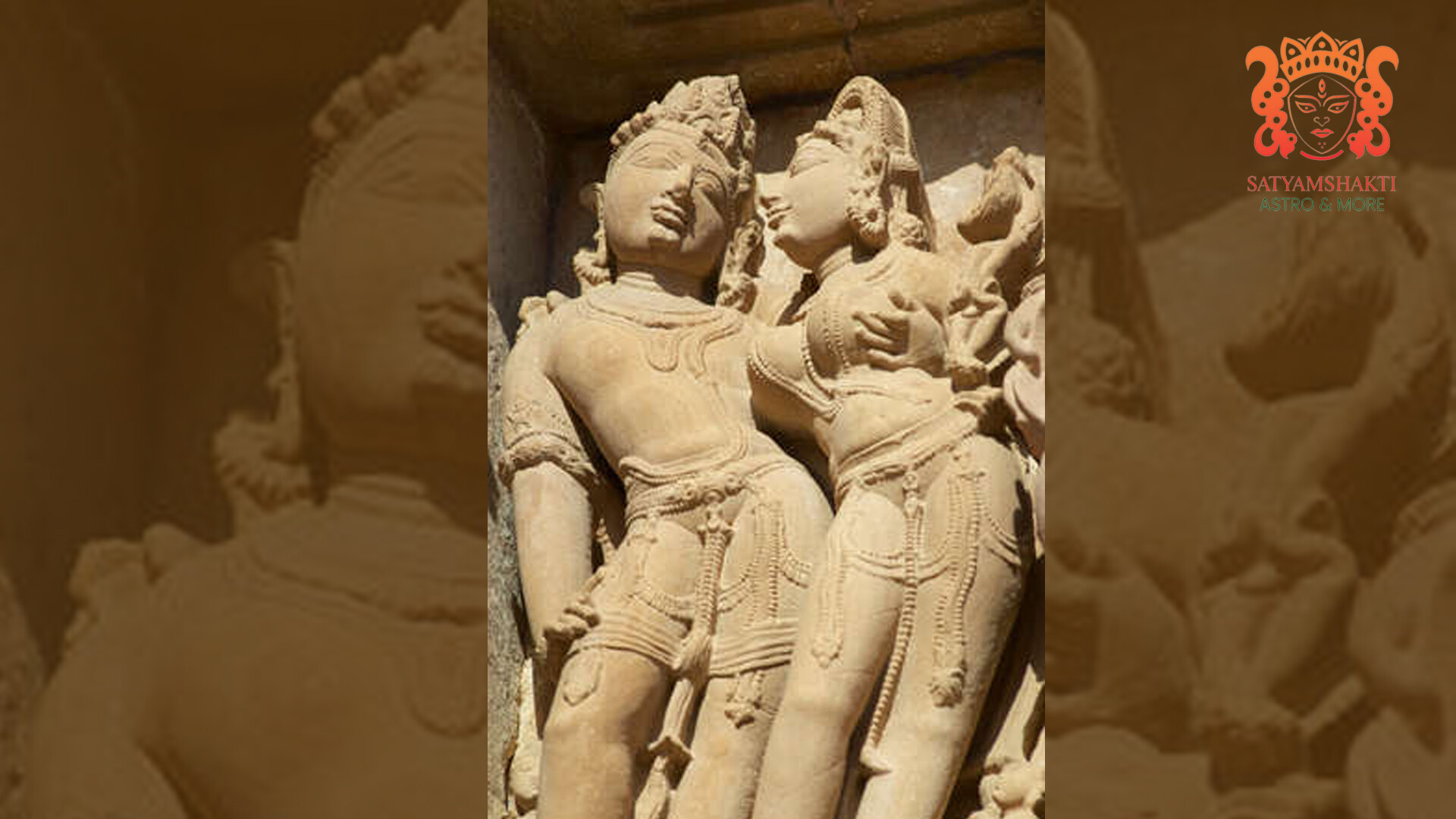
Kashmir Shaivism teaches us that beauty is sacred, In beauty, you meet yourself. In art, you meet the Absolute. In Rasa, you remember all of this is Shiva, and so are you. Art is meditation, emotion is sacred space, and aesthetic design is divine.
Kashmir Shaivism says You don’t have to renounce the world to know God. There is no need to detach from desire, emotion, or sensuality, You can awaken through what you love. You have to see it clearly, feel it fully, and let the divine shine through every form.
Through Rasa, the world becomes a canvas for Shiva’s lila. Every moment of joy, sorrow, love becomes a doorway, not out of life, but deeper into it.
In other spiritual traditions, beauty, art, and emotion are seen as distractions in the path towards Moksha. Kashmir Shaivism boldly challenges that school of thought and says. Rasa, the experience of aesthetic delight, is not only to be acknowledged but celebrated as a powerful manifestation of the divine.
Kashmir Shaivism says, beauty is not an illusion to transcend rather it is Shiva’s own expression. Every painting, poem, dance, or moment of heartfelt emotion becomes a spanda of Consciousness. Through Rasa, you don’t escape the world; but encounter the sacred within it.
One of the most celebrated Rasas in Kashmir Shaivism is Shringar, the aesthetic of love. It’s considered the closest in flavor to bhakti. The yearning of the lover for the beloved is symbolic of the soul’s yearning for the divine.
This is why the poetry of mystics like Lalleshwari (Lalla) and Abhinavagupta is filled with intimate & sometimes erotic language, because the divine union is not abstract. It’s felt, longed for, consummated in the inner heart.
The entire universe is a manifestation of Shiva Consciousness it is not separate or illusory, it is divine in essence. Everything is a reflection of the Absolute, including your emotional experiences.
Every encounter with beauty is a chance to recognize Shiva in form. Beauty is not a distraction from the path; It is the path
